Why Do We Have to Remind People About This Every Year!
Good intentions can go horribly wrong when it involves Montana's tender young wildlife.
PLEASE LEAVE THEM ALONE
Each spring, Montana Fish, Wildlife and Parks receives calls from people who have picked up deer fawns or other wildlife. It’s important to remember that Montana FWP does not accept, hold or rehabilitate moose, deer, elk and most other animals.
THEY ARE NOT IN AN ORPHANAGE
Often times, people think they are rescuing an orphaned animal. However, it’s important to understand that wildlife care for their young much differently than humans. They have strategies to provide the highest chance of survival for their young.
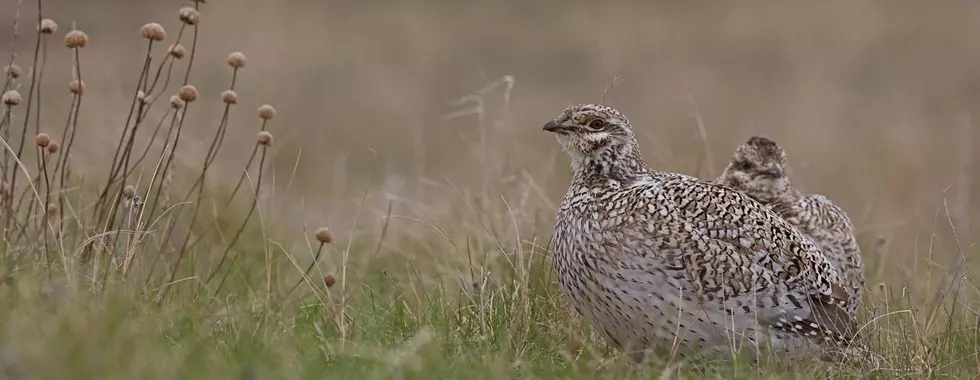
One strategy that some species, particularly those species that are more commonly seen as prey (deer, rabbits, birds), use is to distance themselves from their young for many hours at a time. This helps to keep predators away from their young. For example, fawns are born without a scent and it is safer for them if their mother, who has a scent, is not nearby. This also can potentially distract a predator into focusing on the doe instead of their offspring.
READ MORE: Illegal Fish Planting Threatens a Family-Friendly Montana Pond
TO THEM, YOU'RE A PREDATOR, TOO
Montana FWP's stance on this is that wild animals thrive better in the wild where they have plenty of natural habitat and thrive better with other wildlife than with humans, who they consider an apex predator. Nature provides them the best options for survival and a better quality of life.
The potential to spread wildlife disease is also a good reason to leave young wildlife alone. Baby ground squirrels, raccoons and rabbits can carry zoonotic diseases, which means diseases that are infectious for humans. Examples include plague, hemorrhagic diseases and tularemia.
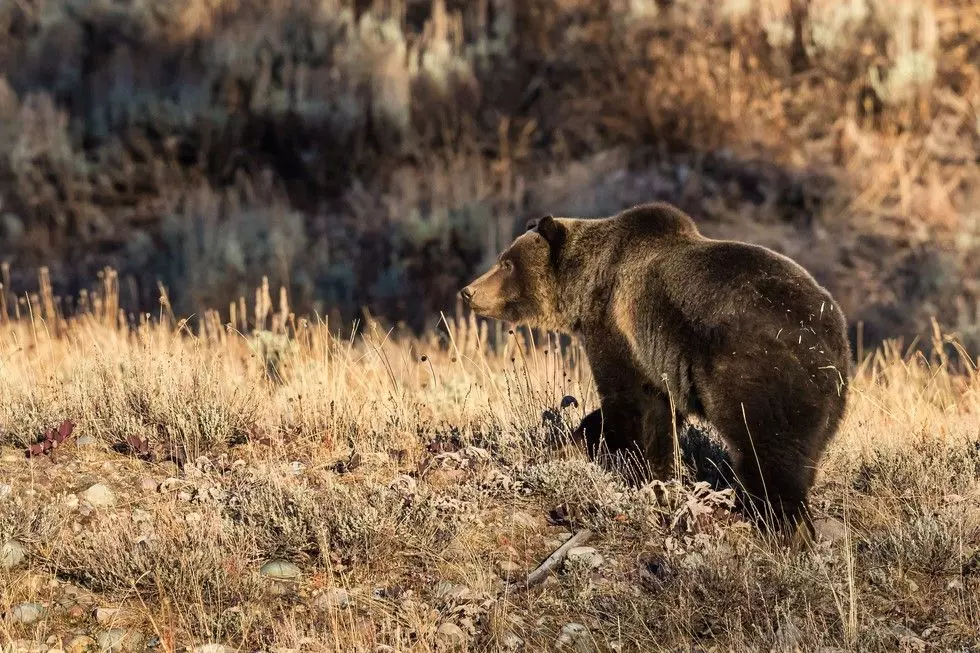
If you see a baby animal, whether it be a goose or a grizzly, keep your distance and leave it alone. Handling baby animals can be dangerous, and usually once young animals are picked up by people they can’t be rehabilitated. They are often abandoned by adult animals once human scent is transferred to them.
Check out these 50 fascinating facts about dogs:
Gallery Credit: Linda Lombardi
More From 94.9 KYSS FM